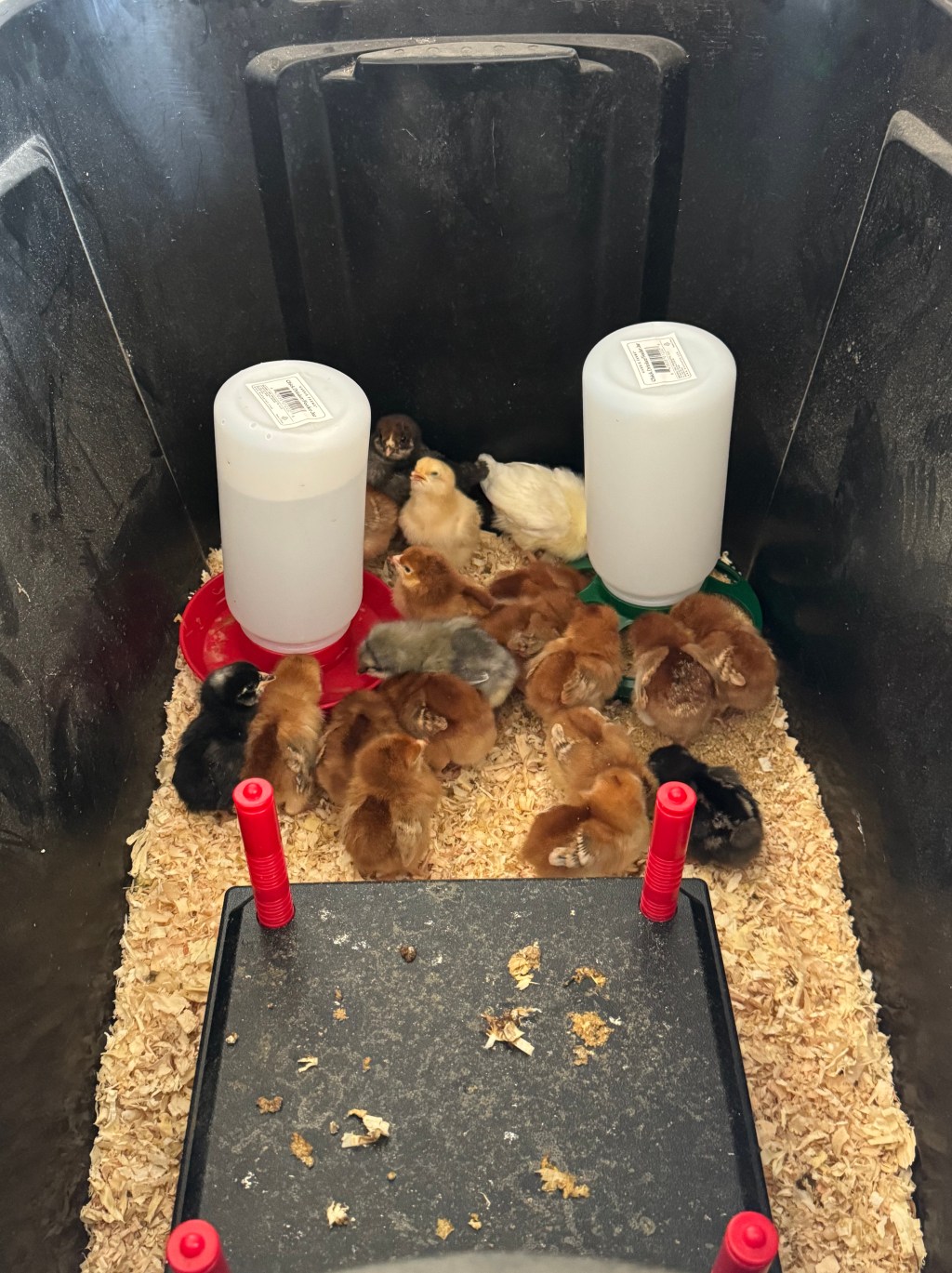
Whether you’re after the joy of farm-fresh omelets, the promise of self-sufficiency, or just love the idea of getting to know your feathery friends, raising chickens can be a fun and rewarding hobby.
But wait—before you go diving into a chicken coop and picking out the fluffiest birds you can find, there are some things you’ll want to know first. It’s not all sunshine and chicken treats; there’s a little more to it than just feeding them and waiting for your breakfast to appear. So grab your gardening gloves, and let’s walk through the basics of chicken-keeping, from breed selection to coop building, and how to keep your flock healthy and happy.
Step 1: Choosing the Right Chicken Breed
First things first: let’s talk about breeds. Not all chickens are created equal. Some are more about the eggs, while others are perfect for showing off at your local county fair. When it comes to eggs, you’ll want to pick a breed that’s known for being a reliable layer.
Egg-laying Superstars:
- Rhode Island Red: These gals are like the workhorses of the chicken world. They’re tough, friendly, and lay tons of brown eggs.
- Leghorn: These speedy layers will have you drowning in eggs. They’re a bit more flighty than some other breeds, but they make up for it in egg production.
- Australorp: If you’re after a reliable chicken with a bit of personality, the Australorp is known for laying a good number of eggs with a calm temperament.
- Barred Plymouth Rock: These chickens are not only beautiful but also reliable layers, and their cute black-and-white striped feathers will make you the envy of your chicken-keeping neighbors.
Make sure to choose a breed that fits your climate, your personality (because, let’s face it, you might need a chicken who doesn’t mind you staring at them while they lay), and the space you have available. Some breeds are more cold-hardy, while others prefer the warmer climates. Choose wisely, and you’ll have egg-cellent results!
Step 2: Building the Ultimate Chicken Coop
Now that you’ve picked your poultry pals, it’s time to build them a luxurious living space—one that’s safe, cozy, and somewhere they’ll want to spend their days (and nights). A good chicken coop is essential for keeping your chickens healthy and protected from predators. Here’s what you’ll need:
Size Matters:
Chickens need space to roam, so don’t cram them into a tiny box. Ideally, each chicken should have 3-4 square feet inside the coop and 8-10 square feet in the run (the outside space where they’ll stretch their wings and peck around). Overcrowding can lead to stress, aggression, and egg-laying issues—no one wants that!
Ventilation:
Good airflow is crucial. Chickens are like us: they don’t appreciate being in a stuffy room all day. Make sure your coop has windows or vents to keep fresh air circulating. But, of course, don’t make it a wind tunnel! Chickens don’t appreciate a draft on cold winter nights.
Predators Beware:
You’ll want to fortify your chicken coop against any potential predators. This could include raccoons, foxes, hawks, or even your neighbor’s overly ambitious dog. Use sturdy materials and hardware cloth (not chicken wire) to ensure your flock stays safe. A good lock on the door is key—there’s nothing more frustrating than finding out your chickens let themselves out for a midnight stroll.
Nesting Boxes and Perches:
Make sure your hens have somewhere to lay their eggs. Nesting boxes (one box for every 3-4 hens) should be filled with soft bedding like straw or hay. Hens like a bit of privacy, so add some curtains if you want to get fancy.
Perches are also essential because chickens like to sleep off the ground. A simple wooden bar at about 2-3 feet high will do the trick. Just make sure it’s sturdy enough to hold your chickens, and you’ll have peaceful sleepers.
Step 3: Feed, Water, and Treats (the Chicken Buffet)
Chickens are not particularly picky eaters, but they do have some nutritional needs that you’ll want to meet. Invest in a good-quality layer feed to keep your chickens healthy and happy. The pellets or crumbles you buy will provide them with all the essential nutrients for egg production.
Don’t Forget the Water!
Chickens are like us—they get thirsty. Make sure they always have access to fresh water. Water containers should be cleaned regularly to prevent bacteria buildup (because gross).
Occasional Treats:
While a chicken’s main diet should be their feed, they love a good treat now and then. Give them some mealworms, leafy greens, or even some kitchen scraps (but steer clear of anything that could harm them, like onions or chocolate). They’ll follow you around like little feathered puppies when they know you have snacks.
Step 4: Keeping Your Chickens Healthy and Happy
A happy chicken is a healthy chicken, and that starts with regular check-ups. Here are some basic health tips:
- Check for parasites: Regularly inspect your chickens for mites, lice, or other creepy crawlies. Dust baths are natural, but you can also sprinkle diatomaceous earth in their bedding for an extra layer of protection.
- Clean the coop: Keep things tidy! Chickens are messy, and a dirty coop can lead to disease. Clean the bedding, remove poop, and keep everything dry and odor-free.
- Free-range time: If possible, let your chickens roam in a safe, enclosed area. They’ll enjoy scratching around for bugs and foraging for food, which keeps them mentally and physically stimulated.
- Observe their behavior: Chickens can’t tell you if they’re sick, but they sure can show you. Keep an eye on their eating habits, behavior, and egg production. If something seems off, it’s best to consult a vet who specializes in poultry.
Step 5: Enjoying Your Fresh Eggs
The moment you’ve been waiting for: fresh eggs! It may take a few months for your chickens to start laying (young hens usually begin around 5-6 months old), but once they do, you’ll be rewarded with eggs that are far superior to anything you’ll find in the grocery store. They’re richer in flavor, brighter in color, and better for baking or scrambling.
If you have more eggs than you can eat, don’t worry—there are plenty of ways to share the wealth with neighbors, friends, or your local community. Or you can start a new hobby: egg dyeing. The possibilities are endless!

 The Macrane's
Leave a comment