(Without Breaking the Bank… or Your Back)
So, you’ve decided to start a homestead, huh? Maybe you’re dreaming of fresh eggs, homegrown vegetables, or that “Little House on the Prairie” lifestyle — minus the long winters and the frequent dust storms. But then, reality hits: Homesteading can get expensive. Chickens, tools, garden supplies — it adds up faster than you can say “raised beds.”
But here’s the good news: You don’t need a pile of money to start homesteading. In fact, one of the best parts of homesteading is learning how to make do with what you have. It’s all about resourcefulness, creativity, and sometimes, just plain stubbornness (don’t worry, we’re all guilty of it). So, whether you’re working with a shoestring budget or just trying to make your dollars stretch, here are some of my best tips to help you homestead without spending a fortune.
1. Start Small (Seriously, Don’t Go Overboard)
Listen, I know it’s tempting to plan for the farm of your dreams — a sprawling garden, chickens, goats, an orchard, and maybe even a tiny house in the back. But here’s the thing: Homesteading is a marathon, not a sprint. Trying to do everything at once is a surefire way to burn yourself out and burn through your savings.
Instead, start small. Pick one thing you’re excited about — like growing tomatoes or raising chickens — and focus on getting that right first. It’s like building a Lego house: start with the foundation, and then, slowly, brick by brick, you can add on.
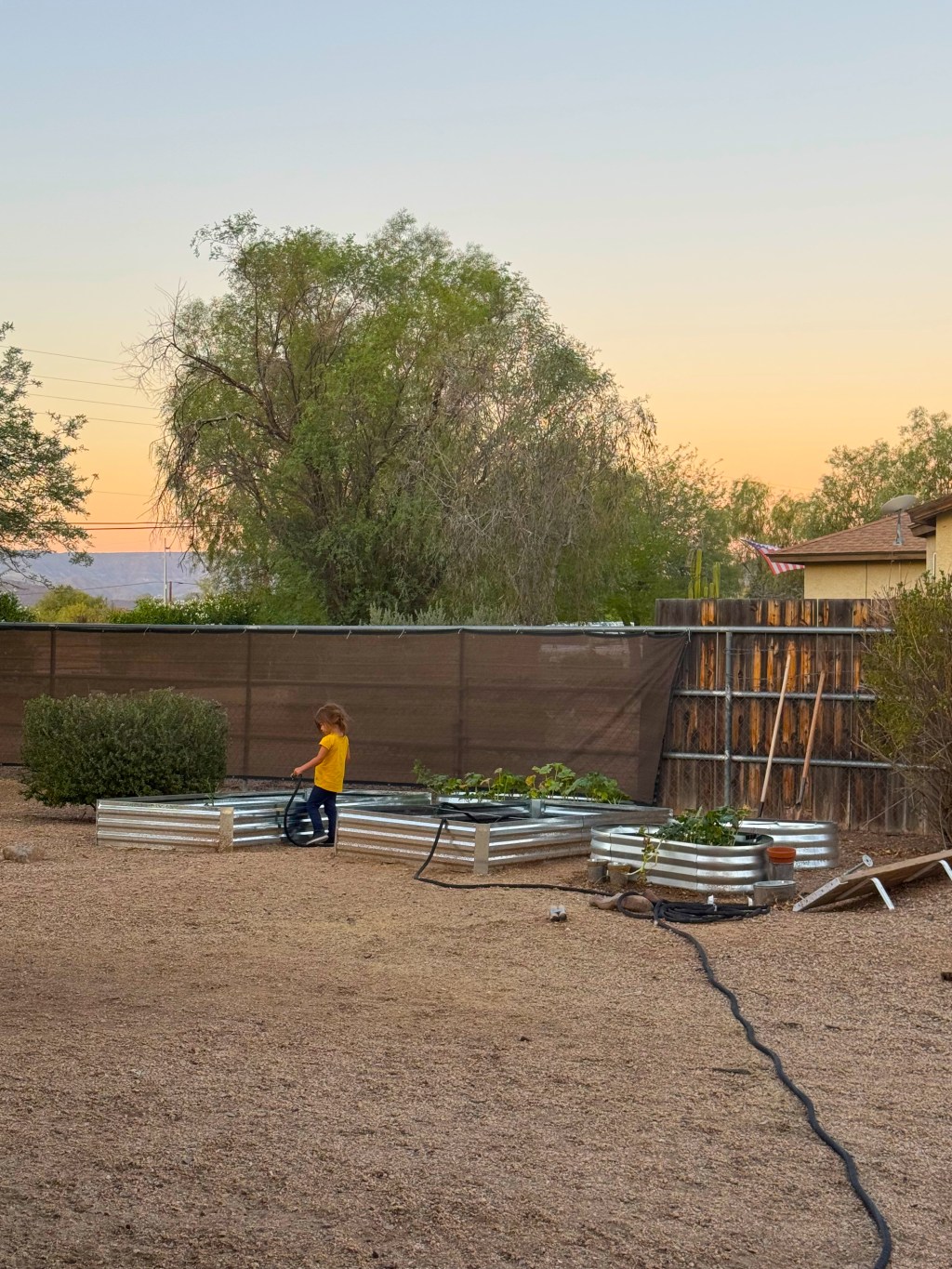
Budget tip: Try container gardening or raised beds to get your feet wet without sinking a ton of money into soil amendments and fancy tools. You’d be surprised how much you can grow in a small space, and it’s way cheaper than a full-fledged in-ground garden. Plus, you can show off your “urban homesteader” vibe. (We all secretly want to be one of those.)
2. DIY (Because Buying Is Overrated)
I’m going to say something that might shock you: You don’t need to buy everything new. I know, I know — Pinterest and Instagram might have led you to believe that every homesteader needs a beautiful, perfectly designed chicken coop with matching accessories. But trust me, the chickens don’t care if the coop is rustic-chic or more “a few boards nailed together.”
Look around at what you already have. Got some scrap wood from an old project? Use that to build your chicken coop or raised beds. Found some old pallets? Now you’re basically a homesteading genius. You can upcycle just about anything — old buckets, broken crates, mismatched bricks — into something useful.
Budget tip: Don’t spend a fortune on fancy garden tools or supplies. Check out thrift stores, garage sales, or your neighbor’s trash (I mean, treasure). You’d be amazed what you can find if you just look a little harder than the average person. Honestly, the thrill of turning a discarded item into something useful is way better than buying it new anyway.
3. Grow What You Eat (And Eat What You Grow)
Here’s the thing: homesteading isn’t about growing everything. You don’t need to plant 47 varieties of heirloom tomatoes just because the seed catalog makes them look like edible art. Start by growing the stuff you actually eat.
Think about it: Is there a particular vegetable you can’t live without (I’m looking at you, potatoes)? Or maybe you can’t go a week without tossing some fresh basil into your pasta? That’s where you should start. Grow what you love, and it’ll feel like you’re living your homesteading dream without the pressure of filling every square inch of your yard with crops.
Budget tip: If you’re short on space (or cash), herbs are your friend. They’re easy to grow, take up little room, and can be used in pretty much everything. Plus, fresh basil on pizza? Don’t even get me started. (Okay, I’m hungry now.)
4. Chickens: The Gateway Livestock
Let’s talk about chickens for a minute. I’ll be honest, when I first got chickens, I had no idea what I was doing. I thought they were just cute little egg machines, but they turned out to be way more work than I anticipated. But here’s the thing: they are also way cheaper than buying eggs at the store, and they make great pets that (sometimes) leave you with fresh eggs every day.
Start with a small flock of hens. You don’t need 50 chickens to make your homestead a success. Even just three or four hens will give you enough eggs to make your breakfast dreams come true without raiding the grocery store every week. And don’t worry — you don’t need a mansion for chickens. A small DIY coop and some chicken wire will do the trick.
Budget tip: Check local classifieds or Facebook Marketplace for low-cost or even free chickens. Some people are practically giving them away if they’re downsizing or have an extra batch of chicks. Just make sure you have the essentials: food, water, and somewhere for them to lay eggs — ideally not your living room.
5. Preserving the Harvest (AKA Making Your Food Last Longer)
Okay, so you’ve grown your veggies and harvested your eggs — now what? If you’re like me, you’ve probably been known to over-plant (because “what if we run out of tomatoes?”). That’s where preserving comes in. Whether you’re canning, freezing, or dehydrating, learning how to preserve your harvest is a game-changer.
And no, you don’t need an expensive canning setup to get started. Start small with jams, pickles, or even freezing berries. Once you get the hang of it, you’ll wonder how you ever lived without a jar of homemade salsa in the pantry.
Budget tip: Invest in a few good canning jars from thrift stores or Facebook Marketplace (seriously, people are selling unused jars all the time). A pressure cooker is a great tool to have, but you can also start with basic water bath canning, which doesn’t require as much equipment. And don’t forget to ask friends or neighbors for their excess fruit or vegetables — that’s barter material right there!
6. Bartering: The Homesteader’s Secret Weapon
One of the best parts about homesteading on a budget is the homesteading community. If you’ve got a surplus of eggs and your neighbor has extra tomatoes, you’ve got yourself a barter system. It’s like a swap meet, but you’re not lugging around vintage jewelry or old furniture — you’re trading fresh, homegrown goods!
Don’t be afraid to ask around. If you’ve got extra veggies, herbs, or homemade soap, offer to trade. Maybe someone else has extra firewood, livestock feed, or even a skill you need (hello, free carpentry lessons). Bartering not only saves money but also helps build a sense of community.
Budget tip: Get on local Facebook groups, farmer’s markets, or even just chat with neighbors. You never know who’s willing to swap a fresh loaf of bread for some of your zucchini.
7. Skills Are the Real Currency
I hate to break it to you, but homesteading is a skill set, not a shopping spree. You’ll save way more money if you spend time learning new skills — like gardening, fixing broken tools, or even making your own soap — than if you’re always buying things. The more you know, the less you have to spend.
Thankfully, you don’t need to drop big bucks on fancy classes. There are tons of free resources online (YouTube, blogs, community groups) that will teach you everything from how to start seeds indoors to how to fix a leaking faucet. The best part? It’s free!
Budget tip: If you’re trying to learn something new, YouTube is your best friend. I can’t tell you how many hours I’ve spent watching “How to Build a Chicken Coop” or “How to Make Canned Tomatoes” videos. My chickens are probably getting tired of hearing me shout “I did it!” from the backyard.
Final Thoughts
Homesteading on a budget isn’t just possible — it can be downright fun. With a little creativity, resourcefulness, and a willingness to get your hands a little dirty (or covered in garden soil, which is basically the same thing), you can create the homestead of your dreams without draining your bank account.
So, start small, DIY your heart out, grow what you eat, and don’t forget to barter with your neighbors (preferably for fresh eggs). In the end, homesteading is all about living simply, sustainably, and with a healthy dose of humor — because if you’re not laughing, you’re probably covered in chicken poop.
What’s your best budget homesteading tip? Let me know in the comments — I’m always looking for new ways to save a buck!


 The Macrane's
Leave a comment