(Without Losing Your Mind)
So, you’ve caught the homesteading bug. You’ve decided it’s time to get your hands in the dirt, grow your own food, and maybe even become the self-sufficient garden goddess (or god) you’ve always dreamed of. But before you dive headfirst into that seed catalog (seriously, it’s like a gardening version of Netflix), let’s pump the brakes for a sec.
Planning your first homestead garden is a bit like planning a vacation to the moon: a lot of excitement, some confusion, and you’ll probably end up with a few things in your cart that you didn’t need. But don’t worry — you don’t need to have a green thumb from birth to make this work. You just need a plan, a little patience, and some good ol’ trial and error (hello, accidental carrot massacres).
In this guide, I’ll walk you through how to plan your first garden that’ll not only work for your space but also suit your family’s needs. We’re talking raised beds, container gardening, crop rotation, and all the good stuff you’ll need to make your homestead garden a success.
So, grab a notebook, a pencil (because you’ll want to erase things a lot), and let’s get started!
Step 1: Assess Your Space (A.K.A. Where the Magic Happens)
Before you get all Pinterest-happy with garden ideas, you’ve got to take a good, long look at the space you’ve got. Whether you’ve got a huge backyard or a tiny balcony, your garden will only be as successful as the environment you’re putting it in.
1. Sunlight, Baby!
The most important thing to consider is how much sun your garden area gets. Plants are like cats — they need their sun baths. Most vegetables need at least 6–8 hours of sunlight a day to thrive.
- Full Sun: Perfect for most vegetables, like tomatoes, peppers, and zucchini.
- Partial Sun: Great for leafy greens like lettuce and spinach.
- Shade: Your best bet here are herbs like mint and parsley, or leafy veggies like kale.
You might have to get a little nerdy here and actually track the sun’s movement over your space for a few days. Trust me, it’s worth it. The last thing you want is to plant a bunch of tomatoes in the shade and then wonder why they’re only half the size of the ones in your neighbor’s garden (who clearly has their own garden gnome army at work).
2. Soil Check
This one’s simple: you want soil that drains well but can still hold moisture. You can test this by grabbing a handful of soil, squeezing it, and seeing how it reacts. If it’s clumpy and sticky, your soil might need some work. On the other hand, if it crumbles and falls apart, you might need to add some organic matter, like compost.
Also, be honest with yourself: if you’re trying to garden in clay or rocks, you might want to rethink your plan. Raised beds or containers could be your best friend in this scenario.
3. Size Matters (But So Does Your Time)
Let’s be real — you probably don’t have time to tend to a 2-acre farm right now. So, when it comes to planning your garden, think about how much time you can realistically spend each week maintaining it. If you’re a busy professional or parent (who isn’t?), you might want to start small and scale up as you get more comfortable.
Start with a 10×10 space or a few containers and then, as you get your groove, you can expand. If you plant more than you can handle, you’ll end up drowning in zucchini or worse, burning out before you ever see the first ripe tomato.
Step 2: Design Your Garden Layout (AKA ‘The Blueprint’)
Now comes the fun part: designing your garden. This is where the Pinterest dreams really start to take shape (but, you know, in a practical, real-life kind of way).
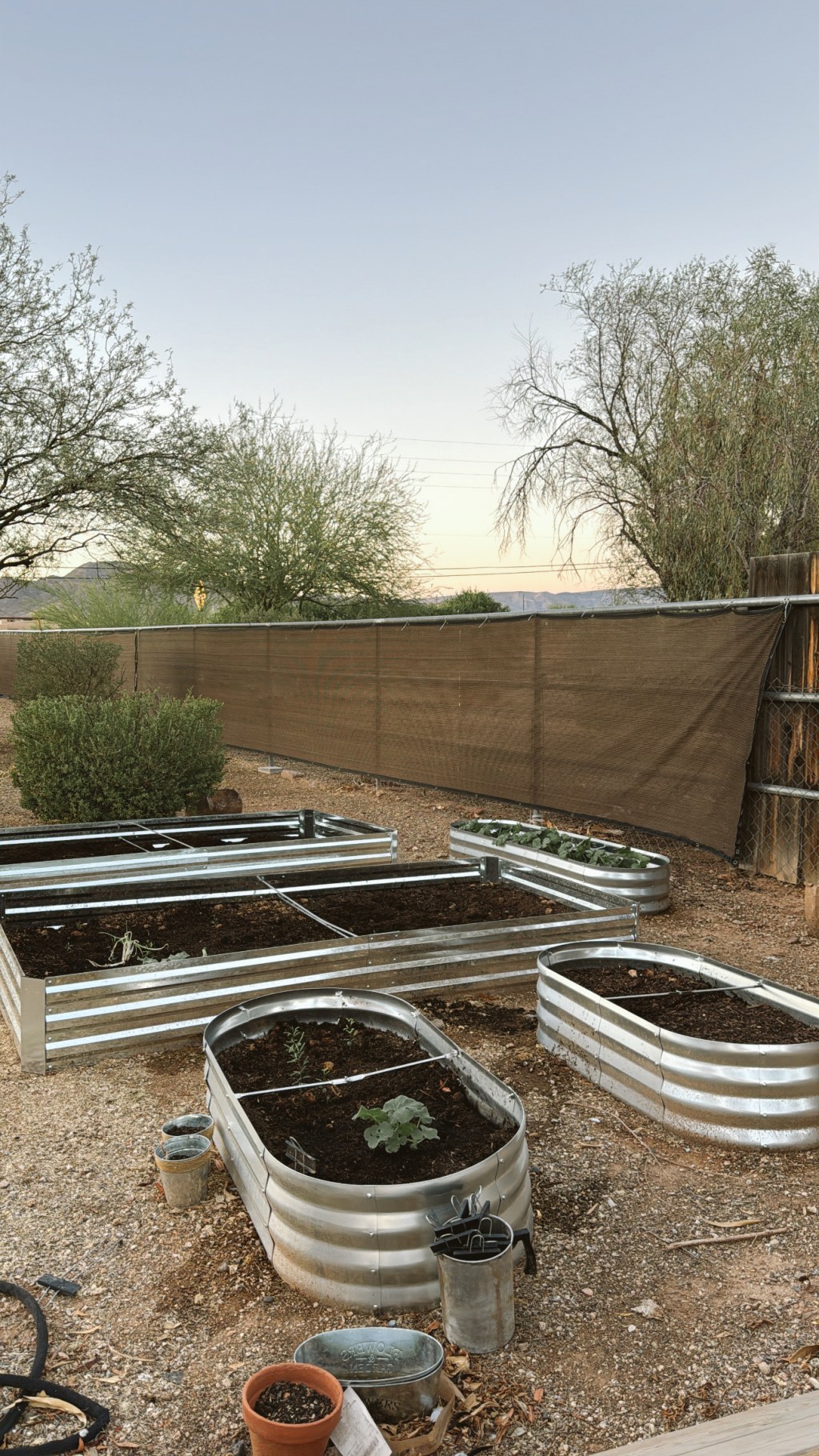
1. The Raised Bed Advantage
If you’ve been reading up on gardening, you’ve probably heard of raised beds. These are simply garden beds elevated above the ground and filled with a mix of soil, compost, and other nutrients. Raised beds are perfect for gardeners with poor soil or limited space. They provide good drainage, better pest control, and they’re easier on your back (because, spoiler: bending over constantly is the worst).
- Pros:
- Better soil quality
- Easier to maintain
- Fewer weeds
- Perfect for small spaces
- Cons:
- Can be pricey to build (but you can also repurpose wood, bricks, or pallets to keep costs low)
You can also design your raised beds with pathways between them, making it easy to get to each one without trampling over your crops. If you’re tight on space, you could even go vertical and build stacked raised beds. It’s like gardening with a multi-level condo — only instead of tenants, you have tomatoes and kale.
2. Container Gardening: The Easy-Going Option
Maybe you’re tight on space, or maybe you want to keep things low-key this year. Container gardening is your solution. You can grow vegetables, herbs, and even small fruit trees in containers like pots, buckets, or old bathtubs (yes, seriously — use your imagination).
- Best for: Tomatoes, peppers, herbs, lettuce, and strawberries.
- Pro Tip: Make sure your containers have proper drainage holes. Nobody likes waterlogged roots.
The beauty of container gardening is that you can move your plants around as needed. Too much sun? Move them into the shade. Too little sun? Move them into the spotlight. It’s like the plants have a personal assistant.
Step 3: Crop Rotation: Keeping Your Soil Happy
Now that you’ve got your garden layout sorted, let’s talk about keeping your plants happy. In gardening, just like in life, it’s all about balance.
Crop rotation means planting different crops in different areas each year to prevent soil depletion and keep pests from getting too cozy. Here’s a simple way to rotate crops:
- Legumes (peas, beans) fix nitrogen in the soil, so they’re great for enriching the soil.
- Leafy Greens (lettuce, spinach) need the nitrogen that legumes add to the soil.
- Root Crops (carrots, potatoes) tend to deplete the soil of nutrients, so rotate them after legumes or greens.
It might sound complicated, but really, just think about mixing it up each year. If you planted tomatoes in one bed last year, don’t plant them in the same bed this year. Let that soil rest a bit before you return to heavy-feeding crops.
Step 4: Choosing Your Crops (Don’t Go Overboard!)
Ah, the seed catalogs. They’re like the sugary cereal aisle of gardening — so many options, and it’s easy to get carried away. But take a deep breath. This is your first garden, not a backyard farm in the middle of the Midwest.
Choose a mix of easy-to-grow crops that will thrive in your climate. Here are some good beginner picks:
- Tomatoes (who doesn’t want fresh tomatoes all summer?)
- Peppers (sweet, spicy, or both)
- Lettuce and Spinach (grow these in the cool weather, and they’re low maintenance)
- Herbs (basil, parsley, and rosemary are easy wins)
- Zucchini (okay, it grows like a weed, but hey, zucchini bread!)
Start with a few varieties and then add more in future seasons as you get the hang of it.
Step 5: Start Planting (And Then Let Nature Do Its Thing)
You’ve got your garden planned out, your crops chosen, and your soil ready to go. Now comes the fun part: planting! Make sure you follow the seed packet instructions for depth and spacing, and remember — if something doesn’t grow perfectly, it’s okay. Even seasoned gardeners face the occasional plant flop.
And once those plants start growing? You’ll get to sit back, relax, and watch the magic unfold. Or maybe you’ll be like me and get so excited that you check your garden multiple times a day (don’t judge, they grow faster when you stare).
Final Thoughts: Keep it Simple, Keep it Fun
Planning your first homestead garden doesn’t have to be overwhelming. In fact, it’s about embracing the journey — a journey that will inevitably include some bumps, some failures, and lots of lessons learned. But it’s also a journey filled with the satisfaction of growing your own food, seeing your hard work pay off, and perhaps even impressing your friends with your newly acquired green thumb (who knew you could grow a cucumber, right?).
So, roll up your sleeves, plant those seeds, and enjoy the process. Remember: it’s not about perfection. It’s about growing, learning, and, most importantly, having fun along the way.
Happy gardening! 🌱

 The Macrane's